The 7 Most Political Football Clubs in the World
How ideology, identity, and football collide across continents
Football may like to present itself as apolitical, FIFA even insists on keeping a strict divide between sport and politics. Yet history and reality tell a different story. From the terraces to the boardrooms, politics and football often move in harmony — shaped by class, culture, and conflict. Some clubs are inextricably tied to powerful social movements, representing everything from leftist resistance to fierce nationalism.
Here are seven clubs where the game has never been just about 90 minutes on the pitch.
1. AC Omonia Nicosia – The Workers’ Club of Cyprus
Cyprus’s capital is home to one of Europe’s most politically polarized rivalries — AC Omonia Nicosia versus APOEL Nicosia. The split dates back to the late 1940s, when players sympathetic to communist causes broke away from APOEL after internal strife during the Greek Civil War.
Omonia became the club of workers, trade unions, and left-wing Cypriots. Their ultras, Gate 9, display imagery of Che Guevara and support parties aligned with Marxist-Leninist ideology, particularly AKEL, Cyprus’s influential left-wing party.
By contrast, APOEL’s fan culture has historically aligned with right-wing nationalism and Hellenism, reflecting two sides of Cyprus’s political identity. This rivalry is more than football; it’s a reflection of decades of ideological struggle.
2. Zenit Saint Petersburg – The Face of Russian Nationalism
Owned by energy giant Gazprom, Zenit Saint Petersburg is one of Russia’s richest clubs—but also one of its most controversial. Supporters’ groups like Landskrona have been condemned for open racism and homophobia, including a 2012 “manifesto” calling for a “traditionally white” team.
Despite international outcry, elements of this worldview persist in parts of the Zenit fanbase. In a city celebrated for its cultural sophistication, Zenit’s nationalist ultras mirror the hardline patriotism often associated with the Russian state, making the club a symbol of modern Russian identity — powerful, proud, and polarizing.
3. AS Livorno – Italy’s Red Stronghold
If Zenit represents state-aligned nationalism, AS Livorno embodies the opposite: working-class socialism. Based in Tuscany’s port city of the same name, Livorno has long been a bastion of Italy’s left-wing politics. The Italian Communist Party was founded here in 1921, and those same ideals live on among the club’s ultras.
At the Stadio Armando Picchi, it’s common to see Soviet flags, Che Guevara banners, and chants celebrating workers’ solidarity. Livorno’s fans have even drawn national controversy for booing military honors — not out of disrespect, but from opposition to Italy’s involvement in foreign wars.
For Livorno supporters, football is political resistance made public.
4. SS Lazio – Italy’s Far-Right Fortress
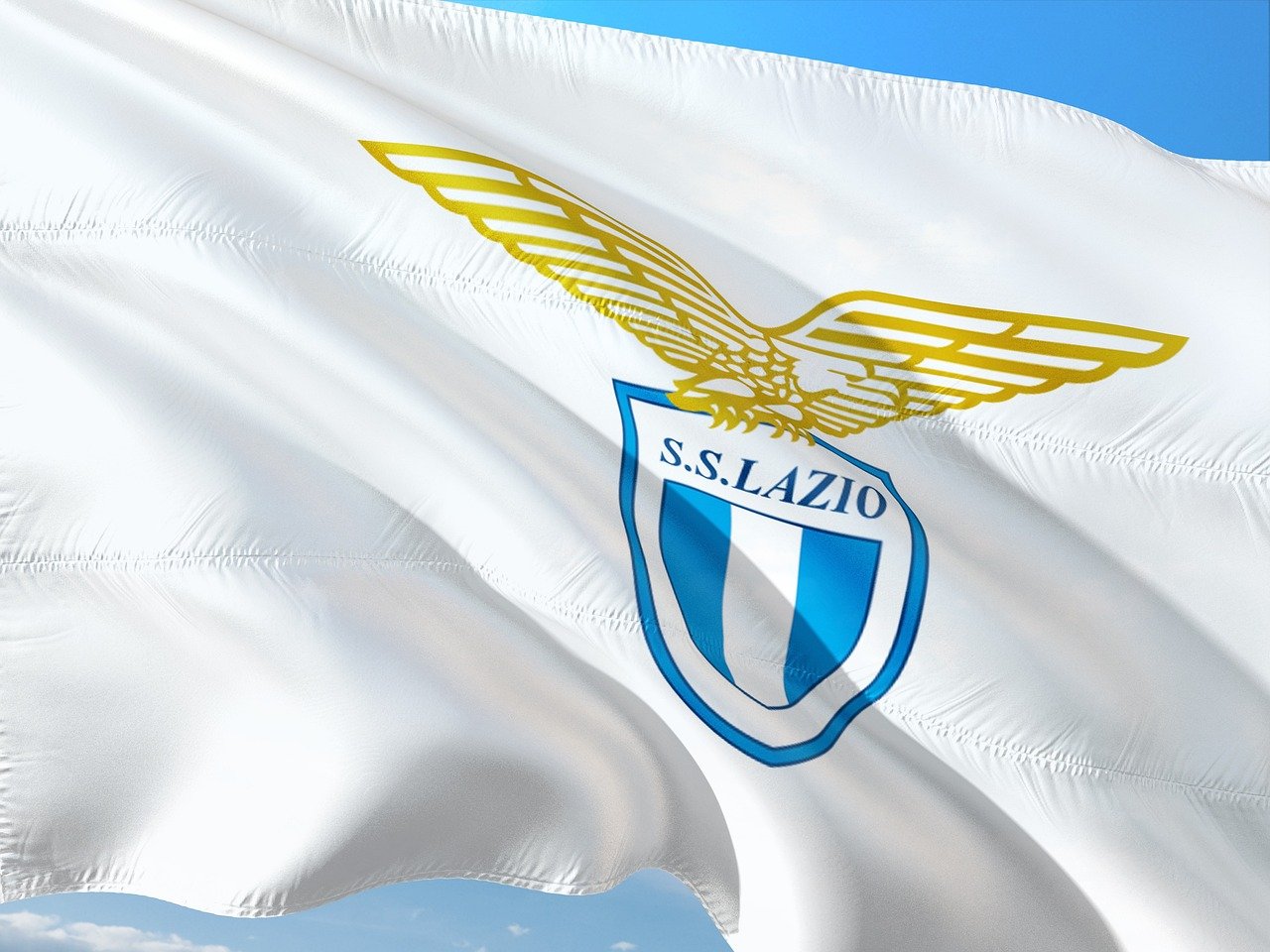
Rome’s SS Lazio stand in stark contrast to Livorno. The club’s ultras, especially the Irriducibili, have long aligned with far-right ideology. Instances of fascist salutes, swastika banners, and anti-Semitic displays — including mocking depictions of Anne Frank in Roma shirts — have repeatedly made global headlines.
Lazio’s connection to Mussolini-era nationalism is deeply rooted. Although the dictator once tried to unify Rome’s clubs (which Lazio resisted), their fan culture embraced neo-fascism decades later, and elements of it remain today.
Modern Lazio management has distanced itself from these groups, but on the terraces, politics still echo the city’s turbulent past.
5. FC St. Pauli – The Rebel Heart of Hamburg
What began in the 1980s as a small neighborhood club became a global icon of progressive football. St. Pauli, based in Hamburg’s red-light district, is synonymous with anti-fascism, LGBTQ+ rights, and social activism.
Supporters transformed the club into a hub for left-wing culture, rejecting racism and sexism long before such stances were fashionable in the sport. Today, the skull-and-crossbones emblem flying over the Millerntor Stadium represents defiance, solidarity, and inclusivity. St. Pauli’s influence extends far beyond Germany — their ethos inspires fans’ groups from Scotland to South America.
6. Beitar Jerusalem – The Politics of Exclusion
Few clubs wear politics as openly — or as controversially — as Beitar Jerusalem. Founded in the 1930s with ties to Zionist militia movements, Beitar remains the only major Israeli club never to have signed an Arab player.
Their ultras, La Familia, are notorious for racist chants and violence, especially toward Arabs and Muslims. When the club signed two Chechen Muslim players in 2013, fans burned the club offices in protest. Even a recent signing of a Christian player with a Muslim-sounding name sparked outrage among extremists.
Despite new ownership pledging reform, Beitar continues to wrestle with the toxic legacy of nationalism and intolerance that defines part of its support.
7. FC Barcelona – “More Than a Club”
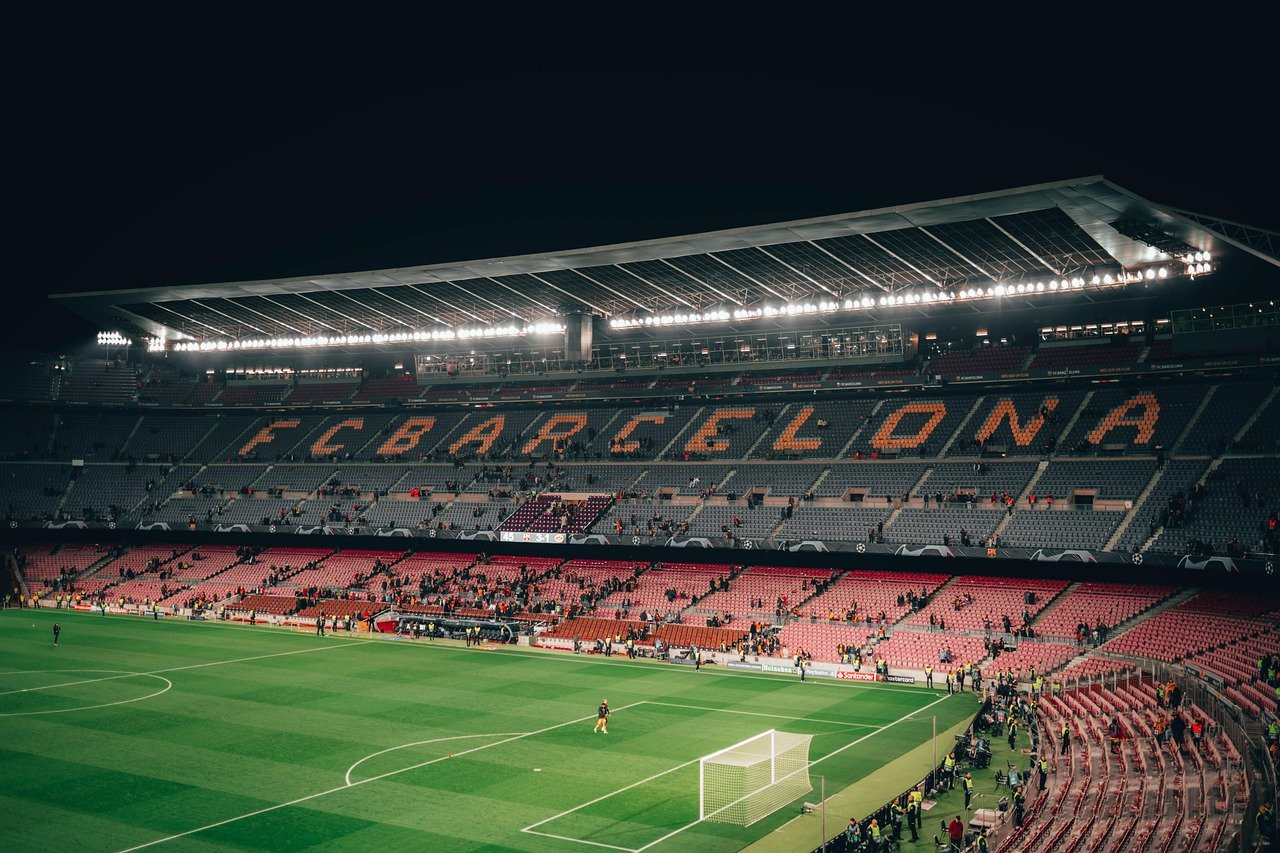
The slogan Més que un club isn’t empty rhetoric. During Franco’s dictatorship, Catalonian culture and language were banned, and FC Barcelona became the symbolic heart of regional identity and resistance.
Barcelona’s stadium offered a rare space where Catalans could speak their language freely and express political pride. The murder of club president Josep Sunyol by Spanish nationalists in 1936 and decades of tension with Real Madrid — seen as the regime’s club — embedded FC Barcelona within Catalonia’s struggle for autonomy.
Even in modern times, the club remains central to debates about Catalan independence, standing as a cultural and political beacon well beyond sport.
Why Politics and Football Will Always Mix
Football reflects society — its divisions, its hopes, and its contradictions. Clubs like Omonia, Livorno, and St. Pauli show how sport can embody ideals of justice and solidarity. Others, like Beitar and Lazio, demonstrate how nationalism and exclusion can thrive on the same stage.
Whether it’s separatism in Catalonia or leftist culture in Hamburg, football transcends its supposed neutrality. And that’s precisely why it remains the world’s most powerful game.