
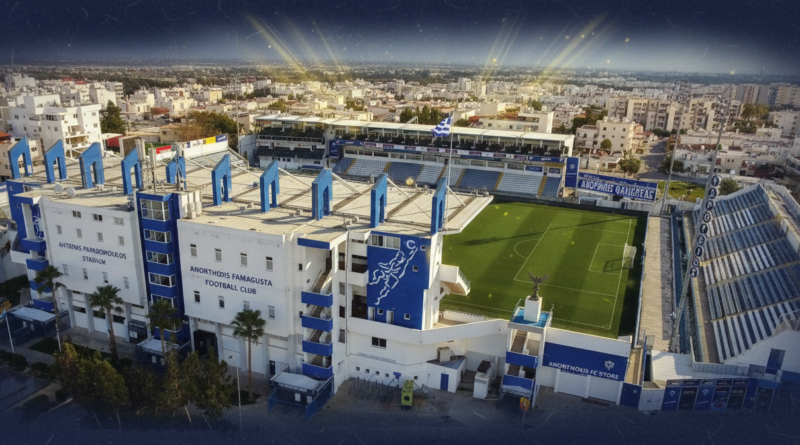
Anorthosis Famagusta Exile: 50 Years Without Home But Champions of Europe
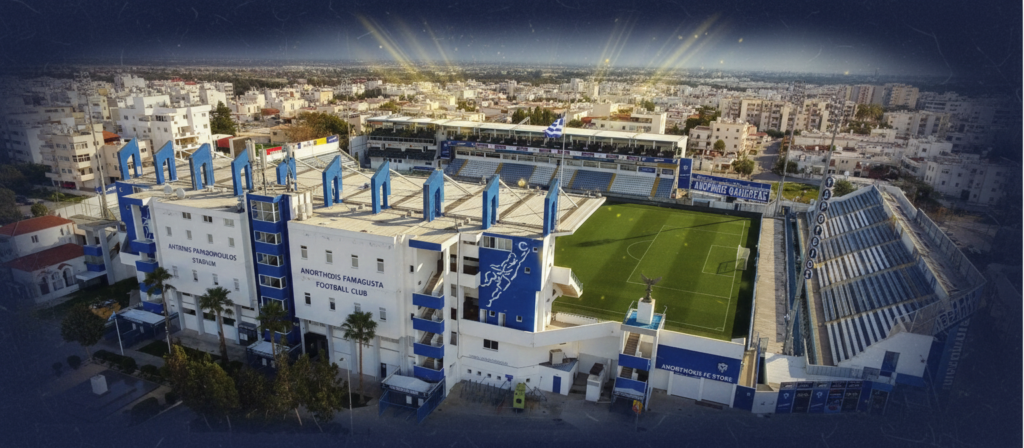
For Anorthosis Famagusta FC, every match carries the weight of absence. Founded in 1911 in Varosha, Famagusta, Cyprus, they were a powerhouse of Cypriot football. Then came 1974: the Turkish invasion forced them into exile 50 miles south to Larnaca, where they’ve played at Antonis Papadopoulos Stadium ever since. Amidst the loss, they’ve forged triumphs – including becoming the first Cypriot side to reach a Champions League group stage (2008). This is the Anorthosis Famagusta exile story: displacement, defiance, and dominance (Wikipedia)
The golden era in Famagusta
Before the invasion, Famagusta was Cyprus’s jewel – a booming port city with golden beaches and medieval walls. Anorthosis, nicknamed “The Old Lady,” embodied that energy. Established as a workers’ club during Ottoman rule, they won their first Cypriot First Division title in 1959–60 and added more throughout the 1960s at GSE Stadium (now abandoned in the occupied territory).
By the early 1970s, Anorthosis were European regulars, facing giants like Juventus (1968–69) and Rangers. Football bonded Greek Cypriots with pride in a tense, divided island.
1974: Invasion and instant exile
Cyprus’s crisis exploded in July 1974. A Greek junta-backed coup against President Makarios triggered Turkey’s invasion on July 20. The first phase captured Kyrenia; the second (August 14–16) overran Famagusta. Turkish forces seized 37% of the island, displacing 200,000 Greek Cypriots – including Anorthosis’s entire community.
The club fled south, abandoning GSE Stadium. Refugees carried memories, not trophies. They relocated to Larnaca’s Antonis Papadopoulos Stadium (10,230 capacity), a “temporary” home shared with AEK Larnaca that has endured 51 years. Remarkably, they won the 1974–75 Cypriot Cup (3–2 vs. ENP Paralimni), lifting national spirits amid tragedy.
Rebuilding in Larnaca: Survival mode
The Anorthosis Famagusta exile tested everything. Fans scattered and resources vanished, but unity prevailed. League titles followed: 1980–81, 1983–84, then a golden 1990s–2000s run. Antonis Papadopoulos became a fortress, hosting Cyprus national team upsets like the 3–2 win over Spain in the 2013 World Cup qualifiers.
Weekly chants of “Ammoxostos” (Famagusta in Greek Cypriot dialect) preserve their roots. Fierce rivalries with APOEL Nicosia and Omonia fueled their resurgence.
European glory: Champions League pioneers
Exile sharpened their ambition: 13 league titles total (last unbeaten in 2007–08), 11 cups, 6 Super Cups. They’ve never been relegated. The pinnacle came in 2007–08. As Cypriot champions, they stunned Fenerbahçe (3–2 aggregate on penalties) to reach Champions League Group B, drawing Inter Milan (0–0) and Werder Bremen (0–0), beating Panathinaikos 1–0. First Cypriot club to reach the group stage; they later made the 2021–22 Conference League groups.
Other feats include UEFA Cup runs against Beşiktaş (2004) and Rangers (1973).
| Milestone | Year | Achievement |
|---|---|---|
| Champions League Group Stage | 2008 | First Cypriot club; unbeaten vs Inter/Bremen [en.wikipedia] |
| Post-Exile League Titles | 9 since 1974 (13 total) | Unbeaten 2007–08 season [en.wikipedia] |
| First Post-Invasion Trophy | 1975 | Cypriot Cup: 3–2 vs ENP Paralimni [en.wikipedia] |
| Current Stadium Capacity | 10,230 | Antonis Papadopoulos, Larnaca [en.wikipedia] |
Fan culture: Keeping Famagusta alive
Gate 9 ultras are fierce guardians of identity – their banners proclaim “Famagusta is Cyprus,” honoring EOKA founders (many club members). Member-owned and community-rooted, Anorthosis commands 15.1% of Cyprus fans (third most popular). Crowds average 5,000+; the 2020–21 Cup win sparked wild celebrations (Footystats).
In 2025–26, they’re mid-table in the Cypriot First Division under Temur Ketsbaia but remain Europa hopefuls.
The unresolved homecoming
GSE Stadium decays in Turkish-occupied Famagusta, sealed behind the UN buffer zone. Varosha – once the world’s most glamorous resort – partially reopened to tourists in 2020, but remains off-limits to Greek Cypriots, a painful taunt. Reunification talks continue to stall; Anorthosis endures without their soil (boekie).
Unlike AFC Wimbledon’s fan-led rebuild, Anorthosis represents stoic survival: refugees who conquered Europe while carrying their lost city’s soul.
Football beyond borders
In Footybible’s club stories series, the Anorthosis Famagusta exile stands apart. This isn’t about ownership battles or financial collapse – it’s geopolitics frozen in football form. They’ve built a dynasty in displacement, becoming Cyprus’s European trailblazers while 160,000 Famagusta refugees hold them as a beacon.
Football proves more powerful than invasion lines. The question lingers: will Famagusta’s medieval walls ever echo blue-and-white cheers again?